“Misaeng” (미생)
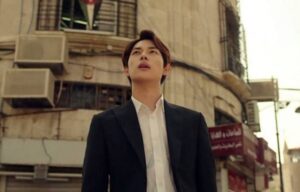
What “Misaeng” does so very well is that it depicts how difficult life can be when everything is stacked against you, and you begin to believe that you don’t deserve more than the scraps people are willing to throw at you.
Journalist, Author & Syndicated Columnist
What “Misaeng” does so very well is that it depicts how difficult life can be when everything is stacked against you, and you begin to believe that you don’t deserve more than the scraps people are willing to throw at you.

“Save Me” depicts how a cult ensnares members to join them. Are these people stupid? No. But they do want to believe in something so badly that they are wiling to overlook all the signs that something is amiss.

“It’s Okay to Not Be Okay” is an unconventional love story that also focuses beautifully on mental health. It depicts how the aftermath of abuse and abandonment affects the psyche, but reaffirms that no one is a lost cause — and that seeking help is self love.
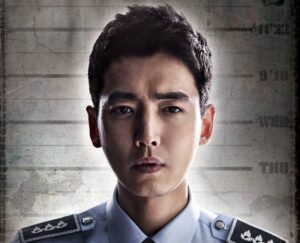
“Prison Playbook” is a dramedy I never wanted to watch. But I’m so glad I did, because it handled social injustice in a way that was palatable to digest, while offering a satisfying ending.

The serial killer element of “Abyss” is intriguing and holds your interest, even though it’s clear from the get-go who the murderer is. There is an accomplice. While you won’t be 100 percent sure who that might be, your first guess is probably correct.

The masterminds behind the superb “Reply” anthology produced another hit series with “Hospital Playlist,” centering around a quintet of long-time friends who are all doctors for the same prestigious hospital.

“Hi Bye, Mama” is a testament to mothers, who will sacrifice their own happiness for the sake of their children. This was Kim Tae-Hee’s return to K-Dramas after giving birth to her own two daughters.

“Extracurricular” shows so much promise early on, before meandering into a series of violent vignettes that water down the plot.

“Hyena” shows that being called the best doesn’t mean anything in the real world. The plot depicted South Korea’s insidious system of revering lineage as flawed (and stupid). And that referring to a human being as disposable — because they don’t hail from the proper background — depicts who exactly is the human garbage here.

Park Min-Young and Seo Kang-Joon are both skilled actors, whose expressions convey the complicated emotions their characters have. Neither had an easy life and they are almost fearful of expecting — or even wanting — more than what they have.

A couple months after the series finale aired, I still find myself missing the characters in the superb K-Drama, “Crash Landing on You.”

“Let’s Eat” offers some of the best mouth-watering food scenes I’ve ever seen in any series. But is there more?

What “My Holo Love” gets across is that people are lonely and long for human companionship.
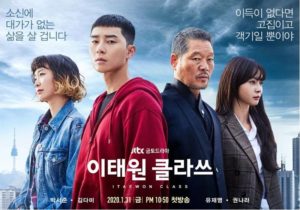
“Itaewon Class” is one of those rare K-Dramas where I disliked both female leads for different reasons. But it just goes to show that a good series doesn’t need a loveline to hold the viewer’s interest.
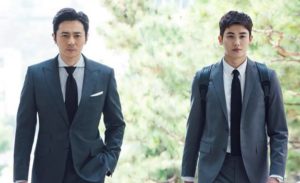
The Korean adaptation of “Suits” is an exciting series that shows off Park Hyung-Sik’s acting range and beautifully expressive face.

Jung Hae-In’s adventures in New York are delightful to watch. Here’s hoping he does another season. I know his international fans would love to travel with him vicariously to explore South Korea next.
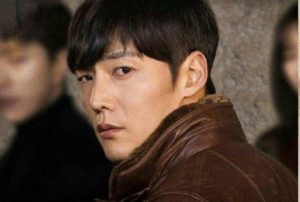
Like many of the characters in this series, Gwang-ho is a bit of an idiot. Instead of quietly sneaking up to nab the various culprits, he constantly yells out his plans to catch the 새끼/saekki (or son of a bitch), giving the aforementioned 새끼 plenty of time to escape.

BTS has done its share of guest spots that follow the standard routine: perform a song and then sit on the sofa chatting about what American food they like. But ever since their appearance last May on “The Late Show with Stephen Colbert,” some American variety shows have gone out of their way to make things more unique.
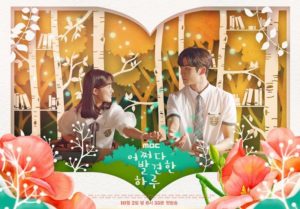
The overall message of “Extraordinary You” is that we are all extraordinary in our own way. At first, Dan-Oh simply wanted to be the star of the series. But she grew to realize that what she really wanted was to have ownership of her life, rather than following others’ expectations of who she should be.

“Chicago Typewriter” takes place in modern-day Seoul, but some of the best storytelling occurs during flashbacks to the 1930s, when Korea was under Japanese occupation. There, we learn about three resistance fighters whose lives and friendship will set the tone for the 21st Century arc.