“My Love From Another Star” (별에서 온 그대)
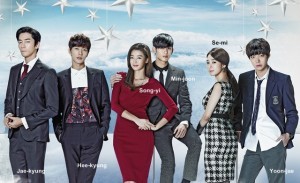
Sold as a romantic comedy, “My Love From Another Star” definitely delivers on that front. But it’s also a wonderful story about true love, alienation and sacrifice.
Journalist, Author & Syndicated Columnist
Sold as a romantic comedy, “My Love From Another Star” definitely delivers on that front. But it’s also a wonderful story about true love, alienation and sacrifice.
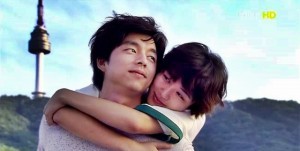
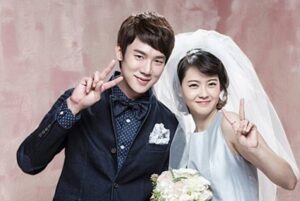
On the surface, “Coffee Prince” is your standard boy-meets-girl romantic comedy with a few roadblocks thrown in for good measure. Thanks to the chemistry shared by the attractive leads (Gong Yoo and Yoo Eun Hye), the series is highly watchable and I understand why so many fans are repeat viewers. But beneath the cute exterior, the series deals with issues such as sexual confusion, gender roles and poverty.

This 2015 Korean rom com is very pleasant on the eyes. The leads — Bang Sung Hoon (“Oh My Venus”) and Kim Jae Kyung — both have model good looks and share some really fun scenes. Though you know going in that the poor-nice-girl-meets-rich-cold-boy storyline will end with a wedding, I was happy to be on board. But, the main problem I had with this short series was the insufferable control issues that were played off as cute, rather than creepy.

“My motto is, ‘Don’t believe anything with a mouth.'” That’s sound advice, coming from Kwon Hyuk Joo (aka Crazy Cow), the head of the cyber unit. And that’s also good advice when trying to figure out who’s telling the truth in this 2012 police procedural.

As with many series, “The Master’s Sun” would’ve benefited from some judicious editing. Too much time is spent on whether or not this couple will get together. We all know they will end up together. That’s a given. The real meat of the storyline is Gong-Sil’s ability to put restless souls at ease. When she goes all Nancy Drew and he revs up his inner Remington Steele, they are perfection.

An easy to watch romantic comedy, “Oh My Venus” has its flaws (the fat shaming could’ve been toned down). But, overall, it’s a fun, addictive series that lives up to the hype. So Ji Sub and Shin Mina are the cutest couple ever and I seriously ship them. The chemistry these two share is strong!
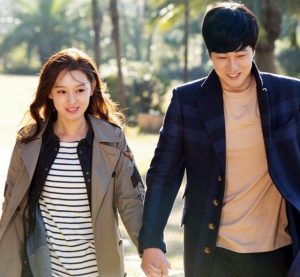
Ji Ho has just had his heartbroken, but it’s not so easy to feel sorry for him. He knew his girlfriend was engaged to another man, but that didn’t stop him from having a long-term affair with her. When she finally calls it off, he becomes even more solemn than usual.

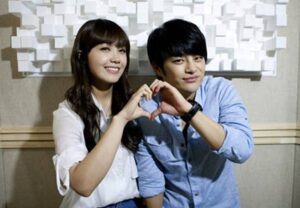
Don’t let this sunny photo fool you. “Always” (오직 그대만) just about broke my heart. Both So Ji Sub and Han Hyo Joo are appealing in their roles. They convey the right emotions, without being maudlin or resorting to histrionics. Some might say that the ending was cheesy, but I found it to be delightful and full of hope.

Released in 2004, “Once Upon a Time in High School” is set in 1978. During this time-frame, South Korea was ruled under the brutal dictatorship of Park Chung-hee (the father of Korea’s current president Park Geun-hye). The movie depicts a bleak period where students had few rights and teachers could beat them at will. There’s a trickle down factor to that kind of abuse. The boys settle their differences not with words, but with fists, chairs and bats.
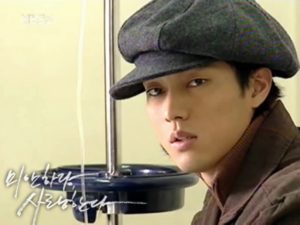
A popular K-Drama starring So Ji Sub, “I’m Sorry, I Love You” (“미안하다 사랑한다”) is an uneven drama dealing with love, revenge and redemption. Too long at 16 hours, the series relies on its lead actor’s charisma to make up for the plot holes.
• At 4, I wondered what a chink bitch was.
• At 5, I came home from kindergarten singing, “Chink-a-chink-a Chinaman, sitting on a fence.”
• At 6, I watched in horror as a blond boy called my father a motherfucking gook.

A huge hit in South Korea, where it was filmed, “Miss Granny” doesn’t have a unique plot. But, director Hwang Dong-hyuk deftly takes an old premise (an elderly woman finds herself magically transformed into a 20 year old) and adds some new twists and social commentary. The result? A charming comedy full of music and scenes that will tug at your heart.

A few years ago, a whole family began showing up at our house. It just seemed odd to me, especially since none of them were in costume. Then it hit me. Perhaps they were hungry and realized they could get free food (albeit candy) one day a year without getting too much flack from people.

Ji-sun (지선), do you remember my sister? She was the bright, artistic, shy little girl who sat next to you in school every day in Seoul. You both were about seven years old.
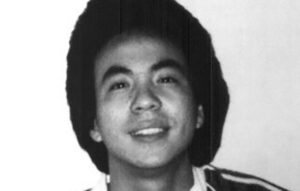
Vincent Chin’s murderers served no jail time. They killed him, but the legal system allowed them to literally get away with murder.
News organizations are making the claim that Korean culture is partially to blame for the Sewol ferry disaster. Some even insist that had these been American children onboard, they would’ve escaped death. Shame on them for blaming the young victims of this tragedy.
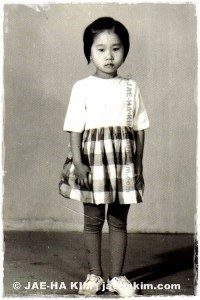
I found this photo when I was looking for something to put up for Throwback Thursday. I love this picture. I see a little girl who loved getting dressed up and having her picture taken. That’s what I remember. That even during a time of turmoil, a less than pristine backdrop was the worst part of my childhood.