“CEO-dol Mart” (사장돌마트)

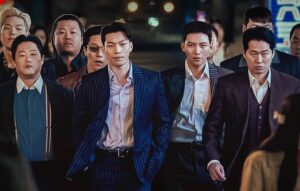
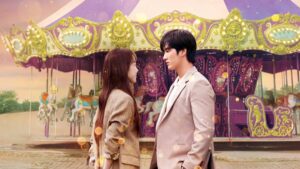
If you’re looking for a light K-drama where the plot is not really the point, “CEO-dol Mart” is the show to watch. The premise of this series is that after the death of a member, the idol group the Thunder Boys broke up and went their separate ways before they had a chance at getting recognition.

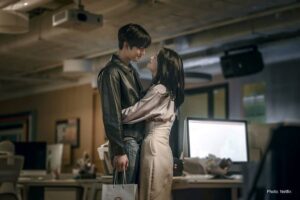
“Doona!” (이두나!)

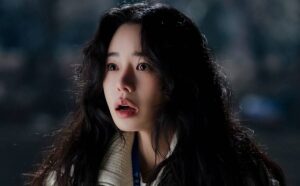
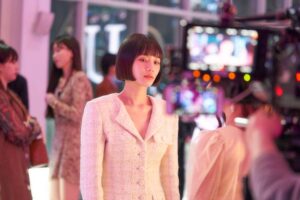
There is a recurring dream sequence in “Doona!” A young woman is submerged in water. From below, she can see the glitz and glamour of her life as a top star. But when our protagonist startles herself awake, we see her living a mundane life, waking up sweaty in a small apartment and taking long drags of cigarettes in the courtyard. This is how we meet Lee Doo-na, a famous K-pop idol who is hiding away in a shared house for college students.

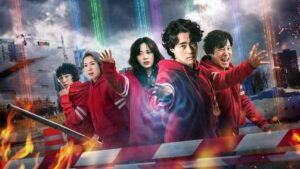
“Moving” (무빙)

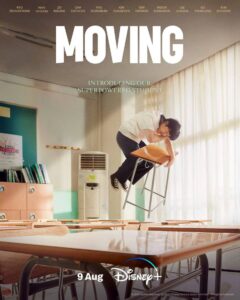
There is a lot going on in “Moving,” Disney’s most-watched K-drama to date. Initially, it appears the series will center on heroic teenagers. But as intriguing as the storylines are for the children, it’s the parents’ arcs that really piqued my interest.

“A Time Called You” (너의 시간 속으로)

A remake of the Taiwanese series “Someday or One Day,” the Korean version of this time-travel drama isn’t always easy to follow. But if you suspend your belief in reality and just go with the flow, you will find yourself immersed in a compelling plot that centers on love, while it also navigates story arcs about guilt, gaslighting and a, erm, serial killer.

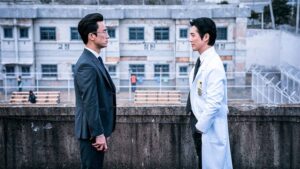
“Mask Girl” (마스크걸)

On the surface, it appears that “Mask Girl” is about beauty standards and how our looks are a catalyst for who we will become. But by the end of the series, viewers will have been taken on a wild ride where subterfuge and revenge are the norm, rather than the exception, and everyone’s moral compass has been broken.

“The Uncanny Counter 2” (경이로운 소문 2)

This second season of “The Uncanny Counter” is good enough. But it is also a reminder that K-dramas are traditionally made to finish after one season. With the influx of Western streaming sites that have figured out how lucrative Korean shows can be, there have been more shows going into their second (or even third seasons). And while I was one of the viewers who had hoped for a second season of this series, I acknowledge that it may have been best to just leave things as they were.

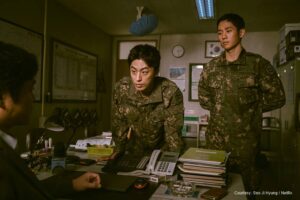
“D.P.” (디피): Season 2

What both seasons of “D.P.” does so well is tell the important and uncomfortable stories that no one wants to believe are true. When soldiers are regularly humiliated, degraded and tortured, what right does anyone have to tell the victims that they must return to their abusers?

“See You in My 19th Life” (이번 생도 잘 부탁해)

“See You in My 19th Life” delves into reincarnation. And as it does so, it drives home the point that even if you are assured of living more than one life, what’s important is that you live your best life, rather than muddling through and wasting time.

“The Good Bad Mother” (나쁜엄마)

Like “Our Blues,” “My Liberation Notes” and “Reply 1988,” “The Good Bad Mother” is a slice-of-life series filled with quirky characters who are overly interested in each other’s business. They support each other, are jealous of each other’s children and talk smack about each other. But if an outsider dares to do the same, hell hath no fury like a neighbor scorned.

“Black Knight” (택배기사)

“Black Knight” takes place 40 years after a comet crashed into Earth, nearly destroying the entire population. The Korean series is clearly a parable for what could happen to our world if we don’t take better care of the most vulnerable among us.