“Kairos” (카이로스)

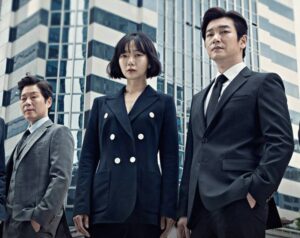
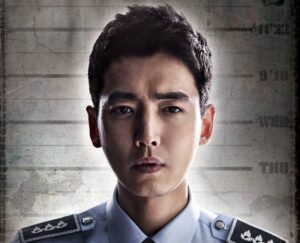
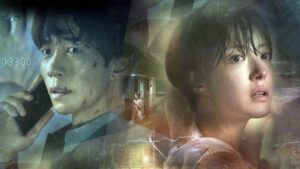
“Kairos” starts off promising and is reminiscent of the best elements of “Signal.” But where the latter kept the suspense going until the end, “Kairos” fizzles out midway, with redundant story arcs and some characters that are not only irredeemable, but highly unlikeable. And I’m not talking just about the villains.

“Start-Up” (스타트업)

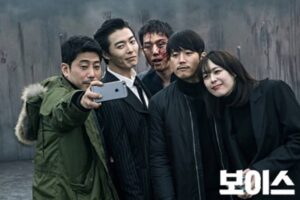
“Start-Up” has a second male lead (Kim Seon-ho) who is so charismatic that his storyline often overshadows that of the very handsome lead (Nam Joo-hyuk). Ultimately, the K-Drama reinforces the idea that no matter how broken a family is, the ties remain – for better or worse.

“Stranger” (비밀의 숲): Season 2

There’s so much lying going on in the second season of “Stranger” that it’s difficult to figure out who’s truth is real. There are so many players convinced that their own criminal acts are for the betterment (cough cough) of Korea’s economy and future that they should be given a pass on their own wrongdoings.

“Flower of Evil” (악의 꽃)

The chemistry between Lee Joon-Gi and Moon Chae-Won is strong in “Flower of Evil.” Viewers never doubt their love for each other. One of the most telling signs of their relationship is that even during times when she isn’t sure who he really is, she never stops referring to him as 자기야 / jagiya, which literally means that he is hers.

“It’s Okay to Not Be Okay” (사이코지만)

“It’s Okay to Not Be Okay” is an unconventional love story that also focuses beautifully on mental health. It depicts how the aftermath of abuse and abandonment affects the psyche, but reaffirms that no one is a lost cause — and that seeking help is self love.

“Prison Playbook” (슬기로운 감빵생활)

“Prison Playbook” is a dramedy I never wanted to watch. But I’m so glad I did, because it handled social injustice in a way that was palatable to digest, while offering a satisfying ending.

“Hospital Playlist” (슬기로운 의사생활): Season 1

The masterminds behind the superb “Reply” anthology produced another hit series with “Hospital Playlist,” centering around a quintet of long-time friends who are all doctors for the same prestigious hospital.

“Hyena” (하이에나)

“Hyena” shows that being called the best doesn’t mean anything in the real world. The plot depicted South Korea’s insidious system of revering lineage as flawed (and stupid). And that referring to a human being as disposable — because they don’t hail from the proper background — depicts who exactly is the human garbage here.

“When the Weather Is Fine” (날씨가 좋으면 찾아가겠어요)

Park Min-Young and Seo Kang-Joon are both skilled actors, whose expressions convey the complicated emotions their characters have. Neither had an easy life and they are almost fearful of expecting — or even wanting — more than what they have.