“Racket Boys” (라켓소년단)

“Racket Boys” is a sweet series centering around a teenager, who’s forced to quit baseball when his father moves them from Seoul to the countryside. Disappointed and bitter, Hae-Kang begrudgingly joins the badminton team — which his father coaches — on the condition that if the team wins a medal, his dad will get them Wi-Fi at their house.
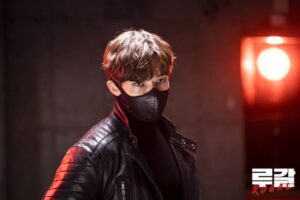

“Oh My Ghost” (오 나의 귀신님)

The first half of “Oh My Ghost” is what I refer to as a laundry series. I was so disinterested in the plot that it took me months to finish, and most of it was while I was sorting and folding laundry. But all that changed in the second half when the series veered from the repetitive plot of a horny ghost wanting to bed a handsome chef, and turned into a thrilling murder mystery.

“Move to Heaven” (무브 투 헤븐: 나는 유품정리사입니다)

“Move to Heaven” is a beautiful and at times brutal series that tells so many touching stories. One of the most important aspects was in how the series showed respect for the dead, even when the supposed loved ones of the deceased don’t seem to care.

“Beyond Evil” (괴물)

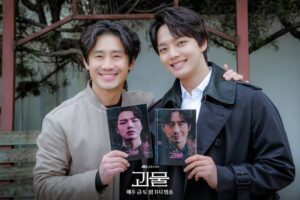
“Beyond Evil” is one weird (in an interesting way) Korean series that centers on the search for a serial killer, who murdered multiple women — including the protagonist’s younger sister. Virtually all the major characters are suspects at one point or another, with damning evidence that has been carefully weaved into the storyline.

“Taxi Driver” (모범택시)

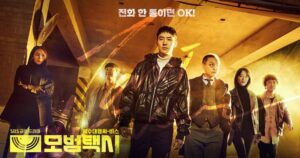
“Taxi Driver” is a thrilling series in the vein of “The Equalizer,” “Profiler” and “The Pretender.” Rainbow Taxi Service driver by day and justice seeker by (mostly) night, Do-Gi and his team are funded by a philanthropist whose parents were murdered decades ago. The goal is to rehabilitate them, but what it all boils down to is revenge.

“Navillera” (나빌레라)

For septuagenarian Shim Deok-Chul, his unfulfilled dream is ballet. As a child, he had wanted to take lessons, but his father stopped him. There was the lack of money. But there was (and still is) also the prejudice against men who participated in the artform. For many close-minded people who fear the unknown, dancing isn’t a masculine hobby to take up.

“Vincenzo” (빈센조)

The showrunners behind “Vincenzo” took their time in letting the highly engaging story unfold in a believable way. Well, as believable a story as you can have about a Korean-born child who ends up becoming a consigliere for a top mafia don in Italy. This series is one of Song Joong-Ki’s strongest K-dramas.

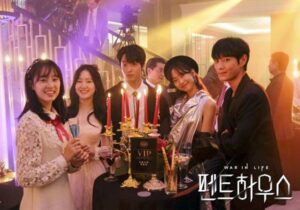
“Penthouse: War in Life (Season 2)” (펜트하우스)

This second season of “Penthouse” is full of subterfuge, a revelation about who one of the students’ real father is and lots and lots of comeuppance. Oh, and there’s the murder of another teenage student, too.

“Tomorrow, With You” (내일 그대와)

“Tomorrow, With You” has so many wonderful elements — especially the adorable chemistry between the two leads. But the frustrating part was watching just about everyone in the series keep integral secrets from each other in an attempt to change — and protect — their future.

“Sweet Home” (스위트홈)

“Sweet Home” has some incredible highs. But unlike “Kingdom” or “Uncanny Counter,” where action supplements the storyline, “Sweet Home” has too much mediocre filler to make it a truly great K-drama.

“Lovestruck in the City” (도시남녀의 사랑법)

Most of the characters in “Lovestruck in the City” would’ve benefited with some therapy to work things through and move on from unhealthy relationships that should’ve been severed early on.

“Kingdom” (킹덤)

Like “Train to Busan,” “Kingdom” was released well before the coronavirus outbreak cause pandemonium worldwide. Both are sociopolitical projects disguised as zombie horror thrillers, where those in power don’t try to prevent the outbreak, so much as they try to stop news of the outbreak from being released. The public’s ignorance suits their own needs.

“Run On” (런 온)

There are several subplots percolating in “Run On,” but the most interesting was the bullying, especially in light of the accusations of real-life bullying scandals surrounding idols and actors. This K-drama offers a perspective that bullying is a part of Korean hierarchy, and those with wealthy and powerful parents won’t be punished. Those who are poor and powerless won’t get justice.

“The Uncanny Counter” (경이로운 소문)

Well written and terrifically acted, “The Uncanny Counter” is suspenseful and heartwarming. And in a rarity for Korean dramas, there is no second lead syndrome romance to mess with the plot.

“Penthouse: War in Life” (펜트하우스)

“Penthouse” starts off with the most makjang storyline of the year. This deliciously gripping female-centric series revolves around rival classical singers and includes a (dun dun dun!) switched-at-birth plot twist. Did I mention that one of male characters has a torture chamber in his home, because, why not? Mixed in with the outrageous content is a parable about the haves and the have nots.